

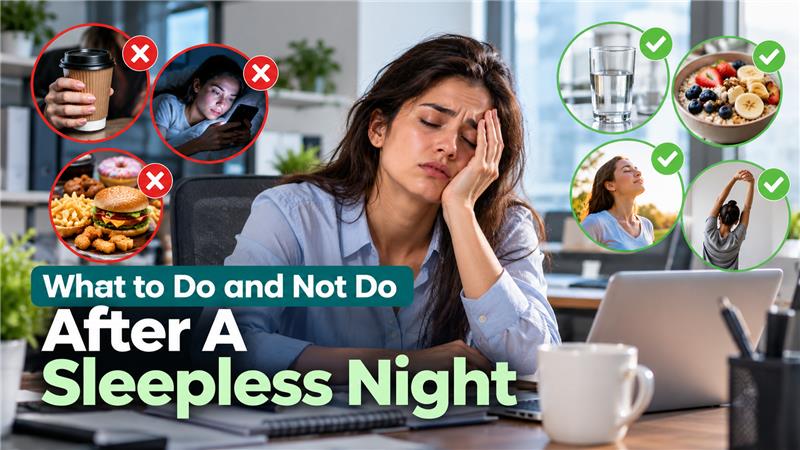
Sleepless nights are palpitating. Factors such as stress, late nights at work, certain illnesses, or an uncomfortable sleeping environment can disrupt sleep. When one gets inadequate sleep, the next day is often slow and tiring. For occasional night owls, dragging through the next day is a real struggle. However, disorders like syndrome fatigue insomnia need medical attention.
A night of poor sleep doesn’t harm if it’s a one-day issue. But if it continues, it can negatively affect one’s overall health. A person feels drowsy all day, affecting their professional and personal life. The blog covers the dos and don’ts to follow after a night of tossing and turning.
Know the Dos and Don’ts
Instead of panicking and rushing, one can follow a few simple rules to get a good night’s sleep the next night. Small changes to the sleep routine can reduce tiredness and improve the overall mood. Knowing what to do and what to avoid can make the next day easier. A few dos and don’ts help avoid a bad night’s sleep and maintain a healthy sleep routine.
Dos
-
Beginning the Day with Natural Light
One of the best things to do after a night’s sleep is to get some natural light. Natural light helps regulate the body’s internal clock. It tells the brain that it is time to wake up and be alert. This helps reduce sleepiness during the day.
Getting natural light is good for the mind, too. This refreshes the mind. A short morning walk helps rejuvenate the mind. Natural light and fresh air support mental health and help the body recover from a bad night’s sleep.
-
Having a Healthy Breakfast
The body requires energy for activity and focus throughout the day. Consuming a healthy breakfast helps keep energy levels up.
A healthy breakfast includes milk, eggs, grains, fruits, and yogurt. These foods help sustain energy and prevent mid-morning fatigue. The items can help stabilize blood sugar levels in the body. Skipping breakfast doesn’t help. It may increase fatigue and reduce concentration. Eating breakfast helps boost energy levels.
-
Staying Active During the Day
Physical activities can also help overcome tiredness. The activities can keep the brain active and alert. Light physical activities can keep the brain active. Physical activities refer to walking, stretching, and yoga. They don’t have to be vigorous. The idea is to keep the body active without forcing it.
Don’ts
-
Not Consuming Too Much Caffeine
Some people take caffeine after a bad night’s sleep. A cup of coffee or tea can help increase alertness. However, too much caffeine can cause more sleep problems later. An excessive amount of caffeine causes nervousness, headaches, and stomach upsets. Too much caffeine affects sleep the next night. This may create a vicious cycle of sleep deprivation and tiredness.
The best way to use caffeine is in small doses. One must avoid caffeine intake in the afternoon and evening. This helps the body prepare for a good night’s sleep.
-
Not Taking Long Afternoon Naps
A short nap is tempting when one feels tired. But taking long naps can cause sleep struggles. Sleeping for longer periods during the day interferes with the nighttime sleep cycle.
Long naps reduce the body’s normal sleep pressure. As a result, it can be difficult to fall asleep at night. This may result in another night of poor sleep. It’s fine to take only a 20-minute nap. It is not recommended to nap in the late afternoon.
-
Not Eating Sugary or Heavy Meals Next Day
After a poor night’s sleep, people often crave sweet snacks or heavy meals. These foods can give the body quick energy, but it doesn’t last long. A quick sugar spike raises energy levels, but it is followed by an equally quick drop.
Heavy meals leave the body feeling sluggish. This is because the body may react to the large amount of food, causing tiredness. Instead, eat healthy meals filled with vegetables, protein, and healthy carbs. Healthy snacks like nuts, fruit, or yogurt provide the body with the energy it needs. This helps a person stay focused and avoid sudden exhaustion during the day.
Getting Back to Normal Sleep Schedule
One of the most important things to do after a poor night’s sleep is to stick to the regular bedtime routine. Going to bed too early may disrupt the body’s internal clock. It may make it harder to stick to the sleep schedule.
It’s important to stick to the normal routine, no matter how tiring it may be, to reset the daily routine. The body gradually goes back to its normal cycle. Developing a bedtime routine is also a good idea. It may be reading a book or even meditation. It calms the mind and may help sleep better the next day.
Conclusion
A bad night’s sleep can affect a person’s mood, focus, and energy levels throughout the day. However, certain practices can help recover faster after a bad night’s sleep. Sunlight, healthy meals, and physical activity can help recover faster after a sleepless night.
One must avoid excessive caffeine intake, long naps during afternoons, and consuming heavy meals to prevent further sleep problems. Maintaining a regular sleep schedule is also essential for a fast recovery after a bad night’s sleep. If sleep problems start affecting one’s attitude and work performance, it’s time to take the right step.
