

Your child says their tooth hurts, then points to the tooth next to it, or the one on top, or even the other side of the mouth. That can feel confusing fast. You want to help, but you also do not want to overreact or miss something that needs care, which is why seeing a Children’s dentist in Fontana can help. In children, tooth pain does not always show up in the exact spot where the problem starts. A sore tooth can send pain into the jaw, nearby teeth, the ear area, or the gums, and younger kids often struggle to describe what they feel with much detail.
That mismatch matters because the painful spot your child points to may not be the true source. A cavity, infection, loose tooth, erupting adult tooth, gum irritation, or even sinus pressure can make pain feel like it is coming from somewhere else. When that happens, a pediatric dentist looks at the whole area instead of only the finger-pointed tooth.
Referred tooth pain in children can hide the real problem
When a child says their tooth hurts but points somewhere else, the most common explanation is referred pain. Nerves in the mouth and face share pathways, so the brain does not always map pain neatly. A cavity in a back molar can feel like pain in the tooth in front of it. Swelling around one tooth can make the whole side of the mouth ache. If a child has not dealt with tooth pain before, they may simply point to the place that feels easiest to identify.
You might notice this at bedtime, during meals, or when your child drinks something cold and suddenly grabs a different part of their mouth than you expected. That does not mean they are exaggerating or confused. It usually means the pain signal is spreading.
Decay is one of the main causes. The National Institute of Dental and Craniofacial Research explains that tooth decay can progress from early damage to deeper infection, and once the inner part of the tooth is involved, pain can become sharper, less predictable, and harder for a child to locate.
Misplaced tooth pain can come from more than a cavity
A child pointing to the wrong tooth does not always mean a cavity is hiding. Baby teeth getting loose can create pressure that feels strange rather than clearly painful. Adult teeth erupting under the gums can cause soreness in the nearby area. Food stuck between teeth can inflame the gums and make chewing hurt. A small crack from a fall, sports bump, or hard candy can also lead to pain that seems to travel.
There are moments when the source is not the tooth at all. Sinus congestion can create pressure in the upper back teeth. Jaw clenching at night can make the mouth sore in a way a child describes as “my tooth hurts.” Ear pain can blur into the jaw. MedlinePlus notes that toothaches may come from decay, infection, gum irritation, grinding, trauma, or pain from another area, which is exactly why home guessing only goes so far.
The harder part for parents is timing. A child may seem fine in the morning, cry during dinner, then insist the pain is gone once you are ready to call. Pain that comes and goes can still point to a real dental issue, especially if it flares with sweets, cold drinks, or chewing.
Pain patterns help separate minor irritation from urgent dental care
Some patterns are more reassuring than others. Mild soreness around a loose baby tooth, with no swelling and no fever, often improves with time. Pain that wakes your child from sleep, causes face swelling, or comes with fever needs prompt dental attention. If your child avoids chewing on one side, cries when brushing, or says one tooth hurts every time they eat, that is usually more than a passing irritation.
| What You Notice | What It May Mean | What To Do |
|---|---|---|
| Pain only when biting on one tooth | Cavity, crack, or irritation around that tooth | Schedule a dental visit soon |
| Pain seems to move or spread to nearby teeth | Referred pain from one problem tooth or gum inflammation | Have a pediatric dentist examine the full area |
| Mild soreness with a loose baby tooth | Normal tooth movement or erupting adult tooth | Monitor, offer soft foods, keep brushing gently |
| Swelling, fever, bad taste, or pain at night | Possible infection or deeper decay | Seek dental care promptly |
| Upper back tooth pain with stuffy nose | Sinus pressure | Monitor symptoms and contact a doctor or dentist if it continues |
A pediatric dentist can trace the pain source more accurately
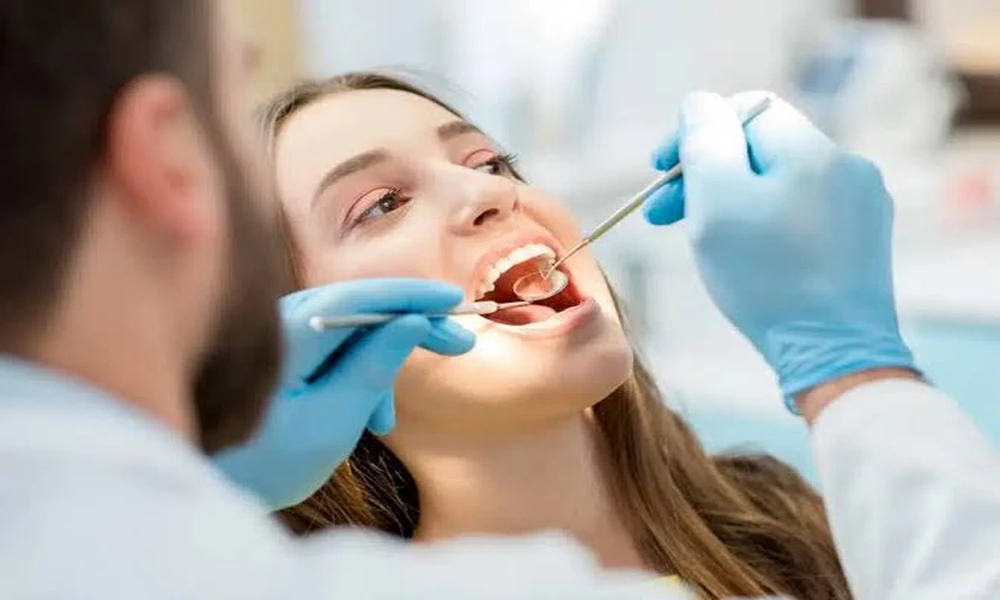
Pediatric dentist visits are helpful here because children often describe pain in broad, shifting ways. The exam usually includes looking for cavities, checking the gums, tapping teeth gently, reviewing bite pressure, and sometimes taking X-rays if the cause is not visible. The goal is not just finding the tooth your child pointed to. It is finding the tooth or tissue actually causing the pain.
This can save time, money, and stress. Treating the wrong area or waiting too long can turn a small problem into a bigger one. A tiny cavity may need a simple filling today, while the same tooth could need more involved treatment later if infection sets in.
Three steps you can take right away
1. Track the pattern. Ask when it hurts, what your child was eating, and whether cold, sweets, or chewing make it worse. Write down the tooth they point to, even if it changes. That pattern gives useful clues.
2. Check for warning signs. Look for swelling, redness, a pimple on the gums, bad breath that does not improve, fever, or trouble eating. Those signs raise concern for infection or deeper decay.
3. Keep the area clean and call for an exam. Have your child rinse with water, brush gently, and avoid very hot, cold, or sticky foods until they are seen. If the pain lasts beyond a day, keeps returning, or comes with swelling, book a dental visit.
Clear answers usually start with a closer look
If your child says a tooth hurts but points somewhere else, you are not imagining the confusion. Kids often feel dental pain in a wider area than the true source, and that is why a careful exam matters. Most causes are treatable, especially when caught early. Trust what you are seeing, trust the pattern, and do not wait on pain that keeps coming back. A pediatric dentist can sort out what is really going on and help your child feel like themselves again.
