

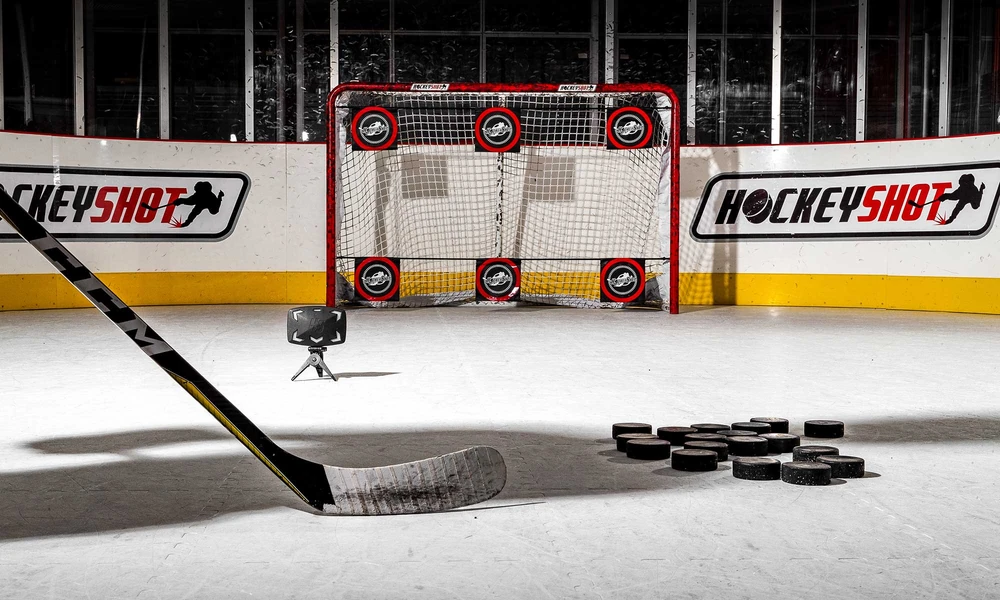
Extra practice is the secret ingredient behind many of hockey’s most skilled shooters and slick stickhandlers. While regular team training covers systems and teamwork, the real magic happens when players carve out additional time to hone their individual skills. Why does putting in those extra hours make such a dramatic difference, and what are the most effective ways to maximize your efforts?
The Importance of Extra Practice in Hockey Skill Development
Limitations of Regular Team Practices
Team practices often have a packed agenda. Coaches juggle drills, tactics, and game situations for an entire roster, which means less individualized attention. Players may only get a handful of controlled shots or touches on the puck in a typical session. For those looking to elevate their game, this limited repetition simply isn’t enough.
Benefits of Focused Individual Training
Stepping onto the ice alone or in a small group creates space to zoom in on specific skills. Want to improve your wrist shot? Now you can fire dozens of pucks in a row. Need to smooth out your stickhandling? You can experiment at your own pace. This focused, repeated practice helps movements become second nature.
Role of Confidence in Skill Application
Confidence grows from competence. The more time players spend mastering skills like shooting and stickhandling in a low-pressure environment, the more likely they are to use those skills during high-stress game moments. This comfort with the puck often sparks creativity, making for a more dynamic and confident player.
Comparing Shooting Improvement Methods
Traditional Team Practice vs. Dedicated Shooting Drills
Shooting development in a team practice is often sandwiched between other drills. Dedicated shooting sessions, however, let players isolate mechanics and get far more reps. This leads to faster improvement in both accuracy and technique.
Mechanical Focus: Accuracy, Release, and Hand Positioning
Proper shooting isn’t just about power. Repetition lets players fine-tune details like hand placement, shot release, and aiming. Focusing on mechanics first, then gradually building speed and strength, yields the best long-term results.
Progressive Complexity: From Basic Shots to Advanced Techniques
Once the basics are mastered, players can move on to one-timers, quick releases, and shooting in stride. Tackling more complex drills challenges coordination and responsiveness, building a versatile scoring toolkit.
Stickhandling: Approaches to Mastery
Basic Control Drills for Beginners
For those just starting, simple stickhandling patterns help build foundational puck control. Drills like figure eights, toe drags, and stationary puck movement allow beginners to focus on feel and handling.
Advanced Stickhandling: Speed and Agility Challenges
As players progress, increasing the pace and complexity keeps things challenging. Fast hands, obstacle courses, and movement-based drills force quick thinking and body-puck coordination, simulating game scenarios.
Experimentation and Error Correction in Low-Pressure Environments
One of the biggest advantages of extra practice is the freedom to make mistakes. Players can try bold moves, troubleshoot sticky spots, and adjust without the pressure of teammates or coaches watching every attempt. Over time, this experimentation fills a player’s “toolkit” and encourages risk-taking.
The Role of Practice Environment: Synthetic Ice Rinks vs. Real Ice
Advantages of Simulated Ice for Year-Round Training
Synthetic ice rinks offer a huge advantage for players in cities like Montreal, where outdoor rinks vanish in warmer months. With year-round access, skills don’t have to go on pause during the off-season.
Differences in Feel and Skill Transferability
While synthetic ice feels slightly different from real ice, modern surfaces are close enough to allow meaningful skill transfer. Shooting, stickhandling, and even edge work can all be practiced effectively.
Accessibility and Frequency of Practice Opportunities
For many, access is the biggest barrier. Rinks like those at Cavendish Athletic Club provide a dedicated space for West-End Montreal indoor hockey training, making it far easier for young athletes to squeeze in those vital extra sessions.
Structured Drills vs. Freeform Practice
Benefits of Repetitive, Coach-Led Drills
Coach-led drills bring structure and feedback. Repetition, under guidance, helps lock in technique and eliminate bad habits.
Self-Guided Play and Creative Puck Handling
On the flip side, freeform play lets players improvise. Trying new moves, inventing challenges, or playing small-area games builds adaptive skills that translate to real game situations.
Balancing Both for Optimal Skill Growth
The best results come from mixing both approaches. Drills cement fundamentals, while creative play keeps practice fun and builds hockey IQ.
Building Confidence Through Repetition and Success
How Repeated Practice Builds Muscle Memory
The brain loves repetition. Regularly repeating a skill hardwires it. Soon, shooting and stickhandling become instinctive, freeing players to focus on the play, not the puck.
Psychological Impact of Skill Mastery on Young Players
Mastering new skills is a confidence booster. Young players feel empowered, engaged, and eager to take on new challenges.
Encouraging Risk-Taking and Creativity on the Ice
Confidence also fuels creativity. Players who trust their abilities are more likely to try creative plays, making them more unpredictable and effective during games.
Integrating Extra Practice Into a Busy Schedule
Finding time for extra work isn’t always easy. It helps to schedule short, focused sessions throughout the week, consistency matters more than marathon practices. Pairing regular team training with individual skill work, tracking small wins, and setting clear, realistic goals keeps motivation high for both players and parents.
The Bottom Line
Extra practice is the catalyst for dramatic improvement in shooting and stickhandling. When young hockey players have access to supportive environments and structured opportunities, like those provided by West-End Montreal indoor hockey training, their skills and confidence reach new heights. Whether your child is learning the basics or pushing toward elite performance, every extra session is a step closer to mastery.
