

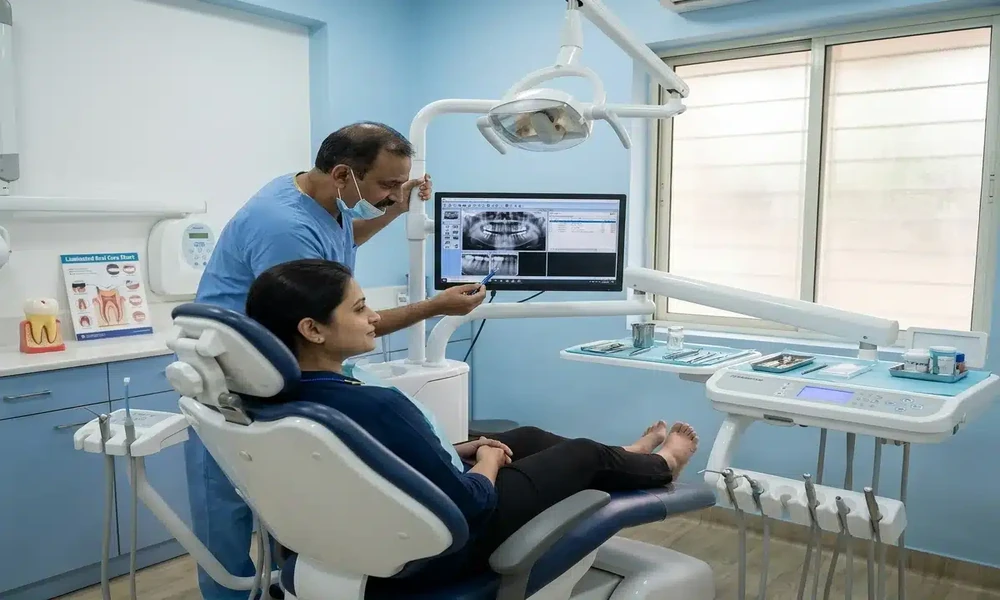
If you have been told you need gum treatment and also want dental implants, you may feel stuck. You want a stable, lasting tooth replacement, but now there is another problem in the way. That reaction makes sense. Albuquerque periodontal and implant specialists understand that gum disease can feel like bad timing, extra cost, and one more thing to worry about when you were already trying to fix your smile and your bite.
The good news is that gum problems do not always end your implant plans. They do change the order of care, the timing, and sometimes the type of treatment that makes sense. A periodontist and implant dentist looks at both issues together, because healthy gums and bone give implants the support they need. If you are weighing gum treatment with dental implants, the right questions can help you avoid delays, failed implants, and more treatment later.
Healthy Gums Create the Foundation for Dental Implants
Gum disease is an infection that damages the tissue and bone supporting your teeth. According to MedlinePlus, gum disease can range from mild gum inflammation to serious damage to the soft tissue and bone. That matters because implants need solid bone and a healthy gum seal to stay stable.
If your gums bleed when you brush, feel swollen, or have started pulling away from your teeth, those are not small details. They can point to active periodontal disease. The CDC explains that periodontal disease is a common condition that can lead to tooth loss, and that same disease process can also raise the risk of implant complications if it is not brought under control first.
This is why one of the first questions to ask is simple. Is my gum disease active, and how severe is it? Mild inflammation may respond quickly to professional cleaning and home care. More advanced disease may call for deep cleaning, localized antibiotics, gum therapy, or surgical treatment before implants are placed.
The Order of Treatment Affects Cost, Healing, and Long Term Success
You do not want to pay for an implant only to hear later that the surrounding tissue was not healthy enough to support it. That is where treatment sequencing matters. Ask whether you need gum therapy before implant placement, at the same time, or after other restorative work.
For many people, the safest path is to control infection first. A specialist may recommend scaling and root planing, regular periodontal maintenance, or surgery if bone loss is advanced. The University of Illinois Chicago notes that periodontal gum disease therapy may include non surgical and surgical care based on the condition of the gums and bone. That tailored approach matters because no two mouths heal the same way.
Another question to ask is whether you have enough bone for an implant after the gum disease is treated. If periodontal disease has already caused bone loss, bone grafting may be part of the plan. That can feel frustrating when you hoped for one procedure and a quick finish, but it is often the step that gives the implant a real chance to last.
Your Medical History and Habits Can Change the Plan
Some people do everything right and still need more careful planning. Smoking, diabetes, dry mouth, grinding, and certain medications can slow healing or increase the risk of infection. If that is you, the question is not whether implants are impossible. The better question is how those factors change the timeline and maintenance schedule.
Ask your provider what could raise your implant failure risk in your case. If you have a history of recurrent gum disease, you may need more frequent cleanings after treatment. If you clench your teeth at night, you may need a bite guard to protect the implant and the surrounding bone. If your blood sugar is not well controlled, you may be asked to stabilize that first because healing is part of the success story, not a side note.
This is where periodontal treatment and implants become less about one procedure and more about a coordinated plan. You are not just replacing a tooth. You are rebuilding support.
Clear Questions Help You Compare Your Treatment Options
When you meet with a periodontist and implant dentist, these six questions can keep the conversation focused:
1. How severe is my gum disease right now?
2. Do I need gum treatment before getting dental implants?
3. Has gum disease caused bone loss that affects implant placement?
4. Would I need bone grafting or other support procedures?
5. What is my personal risk of implant complications or failure?
6. What maintenance will I need after treatment to protect the implant?
| Question | Why It Matters | What the Answer May Affect |
|---|---|---|
| How severe is my gum disease? | Shows whether infection is active and how much support has been lost | Type of gum treatment, timing, prognosis |
| Do I need treatment before implants? | Implants placed into unhealthy tissue face higher risk | Sequence of care and total healing time |
| Is there bone loss? | Implants need enough bone for stability | Need for bone grafting or alternative options |
| What raises my risk? | Smoking, diabetes, grinding, and past gum disease all matter | Eligibility, healing plan, follow up schedule |
| What maintenance will I need? | Implants still need ongoing gum care | Long term success and future costs |
Strong Planning Makes Implant and Gum Care More Predictable
A lot of stress comes from not knowing whether you are looking at a short delay or a long treatment road. Ask for a step by step timeline. Ask what healing signs your dentist wants to see before moving to the next phase. Ask what the total cost may include, especially if the plan could involve deep cleaning, grafting, extra imaging, or maintenance visits.
You should also ask what happens if you wait. Some people put off gum care because they are focused on the missing tooth. The problem is that untreated gum disease does not stay still. It can keep damaging the tissue and bone you may need for a future implant. That can turn a manageable plan into a more expensive one.
Three Practical Steps You Can Take Right Away
Schedule a periodontal evaluation. A general implant consultation may not be enough if there are signs of gum disease. A focused exam with a specialist can measure pockets, check bone levels, and tell you whether dental implants and gum disease treatment can move forward together.
Write down your health history and symptoms. Bring a list of medications, smoking history, diabetes status, bleeding gums, loose teeth, bad breath, or gum recession. Small details often explain why healing may be slower or why treatment needs to happen in a certain order.
Ask for a full treatment map. Get clarity on the sequence, healing time, maintenance visits, and total expected costs. You are less likely to feel blindsided when you know what comes first, what can wait, and what protects the final result.
You are not overthinking this. Combining gum care with implant planning deserves careful attention, because the health of your gums affects the future of the implant. With the right questions and a clear plan, you can move forward with more confidence and fewer surprises.
If you are considering a gum specialist and implant provider, ask for an evaluation that looks at both the infection and the replacement plan together. That kind of planning gives your treatment the support it needs from the start.
