

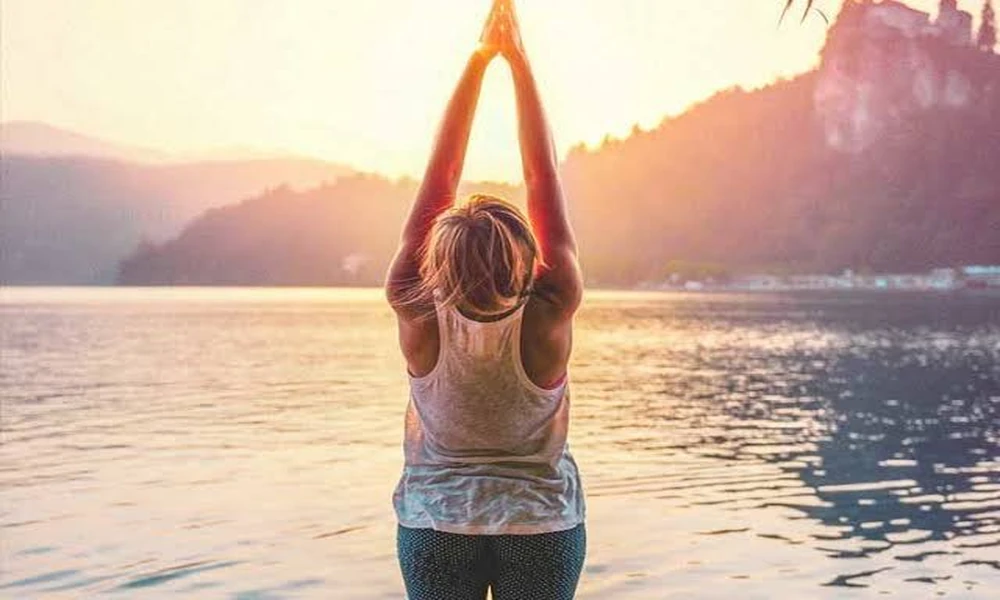
Travelling introduces new experiences, unfamiliar surroundings, changing schedules, and unexpected interruptions. While exploring a new destination can be exciting, long journeys, crowded stations, airport queues, and busy itineraries can sometimes leave you feeling mentally exhausted.
Meditation offers a simple way to slow down and reconnect with yourself, even when you are away from your usual surroundings. You do not need a dedicated meditation room, special equipment, or a long session to practise. A few mindful minutes during your journey can help you feel more settled and attentive.
Whether you are travelling for work, going on vacation, or commuting regularly, you can make meditation a small part of your travel routine.
Why Meditation Is Useful During Travel
Travel changes your normal daily rhythm. You may sleep at different times, eat unfamiliar food, spend hours sitting, or manage multiple activities in a single day.
Taking a short break for meditation can help you:
- Pause when your schedule feels overwhelming.
- Pay attention to the present moment instead of worrying about the next activity.
- Become more aware of your breathing and physical tension.
- Create a calming routine despite changing surroundings.
- Enjoy your travel experiences with greater attention.
Meditation does not mean avoiding the excitement of travelling. Instead, it gives you an opportunity to experience each moment without constantly rushing towards the next one.
Prepare For Meditation Before You Leave
A little preparation can make it easier to maintain your practice while travelling.
Choose A Simple Technique
Avoid planning a complicated routine that requires specific equipment or a quiet room. Start with basic breathing meditation, body awareness, or mindful observation.
If you already have a meditation practice, decide which parts can easily fit into your travel schedule.
Download Guided Sessions
Internet access may not always be reliable during flights, road trips, or visits to remote locations. Downloading a few guided sessions beforehand can help you continue practising without depending on a connection.
Choose sessions of different lengths so you can use them according to the time available.
Pack Light
You do not need to carry many items to meditate. Comfortable clothing and a pair of earphones may be enough if you prefer guided audio.
A small cushion can be useful for longer stays, but it is not essential.
Five Ways To Meditate While Travelling
You can practise meditation in different situations depending on your surroundings and available time. Here are some practical approaches.
1. Begin The Day With A Short Breathing Session
Before checking messages or planning your itinerary, spend three to five minutes paying attention to your breathing.
Sit comfortably on your hotel bed or in a chair. Keep your shoulders relaxed and notice the natural movement of your breath.
If your mind starts thinking about travel plans, gently bring your attention back to breathing. There is no need to force your thoughts to disappear.
2. Practise Mindfulness During Long Journeys
Long train, bus, or car journeys can provide opportunities to slow down mentally.
If you are a passenger, sit comfortably and observe your surroundings. Notice the sounds, movement, and sensations without judging them.
You can also focus on your breathing for a few minutes. Keep your eyes open whenever necessary, especially in moving vehicles.
Never close your eyes or practise a technique that reduces awareness when you are driving, cycling, or responsible for navigating.
3. Use Airport And Station Waiting Time
Waiting for a flight or train can feel frustrating, particularly when there are delays.
Instead of repeatedly checking the time, try a short grounding exercise:
- Sit in a comfortable position.
- Notice your feet touching the floor.
- Relax your hands and shoulders.
- Take a few natural, unforced breaths.
- Pay attention to the sounds around you.
This simple practice can help you use waiting time more intentionally.
4. Try Walking Meditation At Your Destination
You do not always need to sit still to meditate. Walking can also become a mindful activity.
Choose a safe, suitable walking path and move at a comfortable pace. Notice how your feet touch the ground, how your body moves, and what you can hear around you.
Avoid looking at your phone or rushing to reach a particular destination during this short practice.
Walking meditation can be especially enjoyable in gardens, quiet parks, or peaceful outdoor spaces.
5. End The Day With A Relaxing Reflection
After a full day of sightseeing, meetings, or travelling, take a few minutes to settle down.
Sit or lie comfortably and notice how your body feels. Allow your breathing to remain natural and reflect on one or two positive moments from the day.
If you find yourself thinking about tomorrow’s plans, acknowledge those thoughts without getting caught up in them.
How To Meditate When You Do Not Have A Quiet Space
A common challenge during travel is finding a peace of mind. Hotels, airports, tourist attractions, and shared accommodation may not always offer complete silence.
However, meditation does not require absolute quiet.
- Use background sounds: Allow ordinary sounds to be present instead of fighting them.
- Focus on one sensation: Pay attention to your breathing, the feeling of your feet on the ground, or the movement of your hands.
- Find a comfortable corner: A hotel room, quiet seating area, or shaded outdoor space may be suitable.
- Keep sessions short: Even two or three minutes can provide an opportunity to pause.
- Stay flexible: If your surroundings become noisy, switch to mindful observation rather than trying to block everything out.
The objective is not to control your environment but to practise being attentive within it.
A Travel-Friendly Meditation Routine
A fixed routine may not be realistic when your travel schedule changes every day. Instead, connect meditation with activities you already perform.
| Travel moment | Suggested practice | Duration |
|---|---|---|
| After waking up | Breathing meditation | 5 minutes |
| During a journey | Mindful observation | 3 minutes |
| While waiting | Grounding exercise | 2 minutes |
| Before sightseeing | Mindful breathing | 3 minutes |
| Before sleeping | Body awareness | 5 minutes |
You do not have to complete every session. Choose one or two opportunities that fit naturally into your day.
Common Mistakes To Avoid
Trying to maintain your usual routine perfectly can make meditation feel like another travel responsibility.
Watch out for these common mistakes:
Expecting complete silence: Busy surroundings are a normal part of travel. Learn to work with them rather than waiting for perfect conditions.
Setting unrealistic session lengths: A short practice is more practical than skipping meditation because you cannot find 30 minutes.
Getting frustrated with distractions: Thoughts and external sounds are normal. Gently return your attention to the present.
Treating meditation as another task: The purpose is to create a pause, not to add pressure to an already busy itinerary.
Practising when safety requires attention: Avoid meditation techniques that distract you from driving, crossing roads, or navigating unfamiliar places.
Make Meditation Part Of Your Travel Experience
Travel provides plenty of opportunities to notice things you might otherwise overlook. The sound of rain outside your hotel, the movement of clouds during a flight, or the atmosphere of a quiet morning street can become moments of mindful attention.
You can use these experiences to develop Peace Of Mind by giving yourself time to pause rather than constantly thinking about what comes next.
The most useful approach is to keep your practice simple. You do not need to follow a perfect schedule or meditate for long periods. Consistency and flexibility matter more than duration.
Conclusion
Meditation can fit into almost any travel routine when you keep it simple and adaptable. Short breathing sessions, mindful walking, and quiet reflection can help you stay connected to the present moment, even when your surroundings keep changing.
If you are wondering How To Meditate while travelling, begin with just a few minutes each day. Choose a comfortable moment, focus on your breathing, and allow yourself to slow down. Over time, these small pauses can become a meaningful part of your travel experience.
FAQs
1. Can I meditate while travelling?
Yes. You can practise meditation in hotel rooms, airport waiting areas, trains, or quiet outdoor spaces. Choose a technique that suits your surroundings.
2. How long should I meditate during a trip?
Start with two to five minutes per session. You can gradually increase the duration if you have more time and feel comfortable.
3. Can I meditate on a flight?
Yes. If you are seated comfortably, you can practise gentle breathing awareness or a guided meditation using earphones at a suitable volume.
4. What if I cannot find a quiet place to meditate?
Complete silence is not necessary. You can focus on your breathing or observe surrounding sounds without reacting to them.
5. Is walking meditation suitable for beginners?
Yes. Begin by walking slowly in a safe area and paying attention to your steps, body movement, and surroundings. Keep your attention on your path and remain aware of other people and obstacles.
