

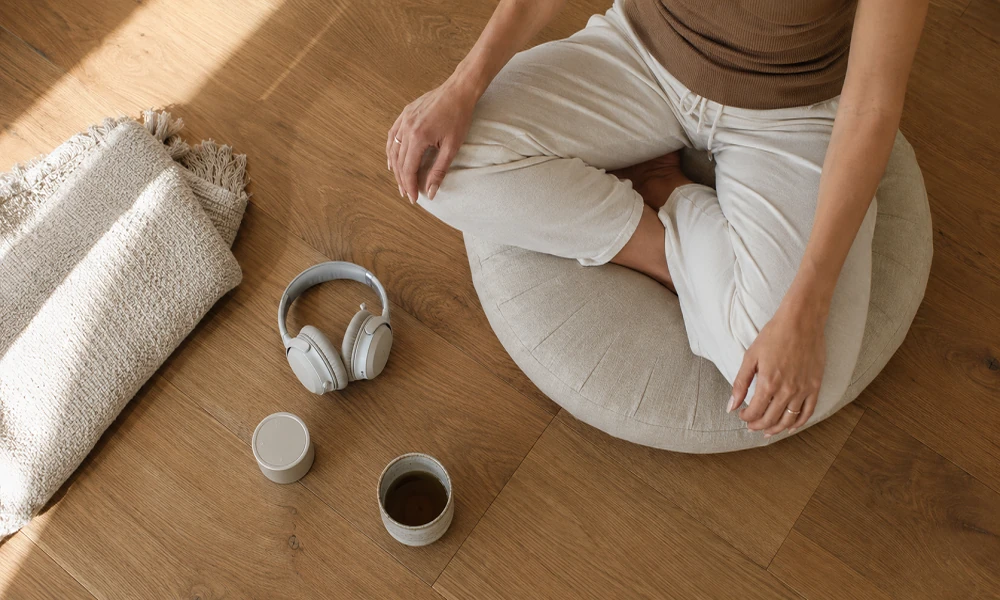
Meditation is simple, but simple does not always mean easy. A person sits down, chooses an anchor, and pays attention. Within seconds, plans, memories, and unfinished conversations may appear. This is not proof that the practice has failed. It is the practice: noticing where the mind went and returning without turning distraction into a personal flaw.
Op e n approaches meditation as a direct experience shaped by guidance, sound, breath, and thoughtful pacing. Its classes are designed for different experience levels, which can make stillness feel less intimidating for a beginner and less repetitive for someone with an established routine.
Stillness Is a Skill, Not a Personality Type
People often assume good meditators possess naturally quiet minds. In reality, meditation trains awareness of thoughts, feelings, sensations, and surroundings. The American Psychological Association’s mindfulness overview describes mindfulness meditation as a studied practice with potential benefits for mental and physical wellbeing, while also reflecting a broader, still-developing evidence base.
The practical lesson is modest: attention can be trained. Each return to the breath or body is one repetition. Some sessions feel spacious. Others feel restless. Both can build familiarity with how the mind responds under different conditions.
This makes consistency more useful than chasing a perfect state. Five focused minutes on a busy day may do more for a routine than a long session attempted once and abandoned. Small returns build trust over time.
Why Guidance Can Help
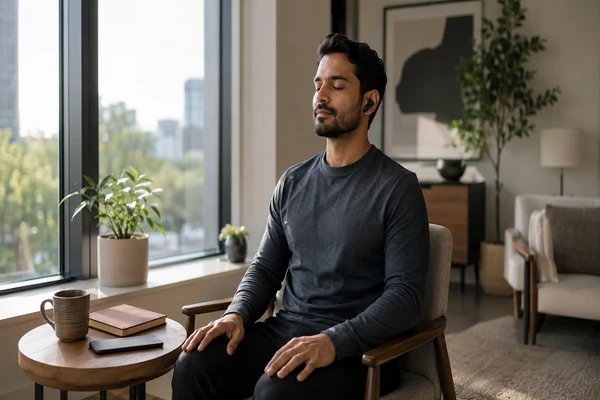
A guided session removes several early decisions. The teacher can suggest a posture, name an anchor, allow silence, and help the practitioner respond when attention drifts. Clear instruction also reduces the pressure to wonder whether meditation is being done “correctly.”
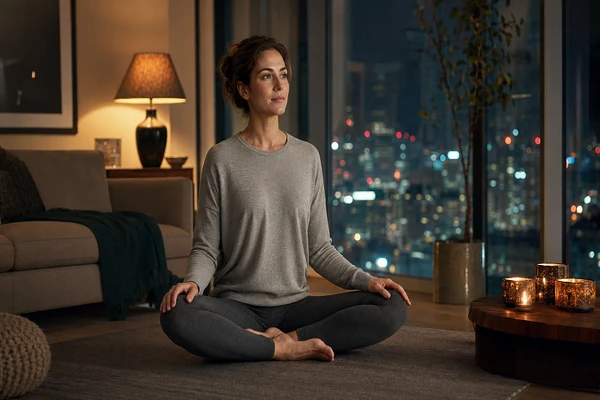
Through open meditation, practitioners can explore a digital experience built around guided attention and sensory presence. The format can suit a morning reset, a midday pause, or a slower transition into sleep. Op e n also brings breathwork, mindful movement, music, and sound into the wider practice, offering users multiple routes back to the present moment.
Choice is helpful when it supports action. Too much choice can delay it. A beginner may benefit from selecting one short class and repeating it for a week. Familiar cues make it easier to settle, while repetition reveals details that were missed the first time.
Build a Routine That Can Survive a Busy Week
Start by choosing a reliable cue rather than an ambitious duration. Meditation might follow morning coffee, begin after a laptop closes, or happen before the evening phone charge. Keep the seat easy to reach. Headphones, a cushion, or a folded blanket can stay nearby, but special equipment is not required.
Set a realistic floor, such as five minutes. On days with more space, continue longer. On crowded days, completing the minimum preserves the habit’s identity. It also avoids the all-or-nothing cycle in which a missed long session becomes a missed week.
The National Center for Complementary and Integrative Health summarizes research on meditation and mindfulness while stressing that evidence differs by outcome and study quality. That nuance matters. Meditation can support wellbeing, but it should not be presented as a guaranteed treatment or a replacement for professional care.
What to Do When the Mind Wanders
First, notice the distraction. Then name it lightly-thinking, planning, remembering, worrying-and return to the chosen anchor. There is no need to argue with the thought. The return is more important than how long attention stayed steady.
If the breath feels uncomfortable as an anchor, use contact points instead: feet on the floor, hands resting together, or sounds arriving and passing. A guided body scan can also offer a concrete sequence for attention.
Frequently Asked Questions
How long should a beginner meditate?
One to five minutes is a reasonable starting point. A short, regular practice is more useful than an unrealistic plan that creates resistance.
Is it necessary to sit cross-legged?
No. A chair, cushion, bench, or supported lying position can work. The aim is alert comfort, not a particular pose.
What if meditation brings up difficult feelings?
Open the eyes, reconnect with the room, and stop if needed. Anyone experiencing persistent distress should seek guidance from a qualified healthcare professional.
Begin with One Repeatable Pause
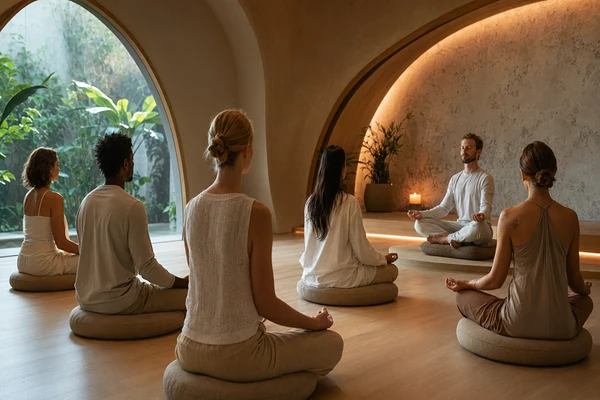
A consistent practice does not require a silent mind or a perfect schedule. It needs a clear next step. Explore Op e n’s guided meditation experiences, choose one session that fits the day, and return to it often enough for stillness to become familiar.
