

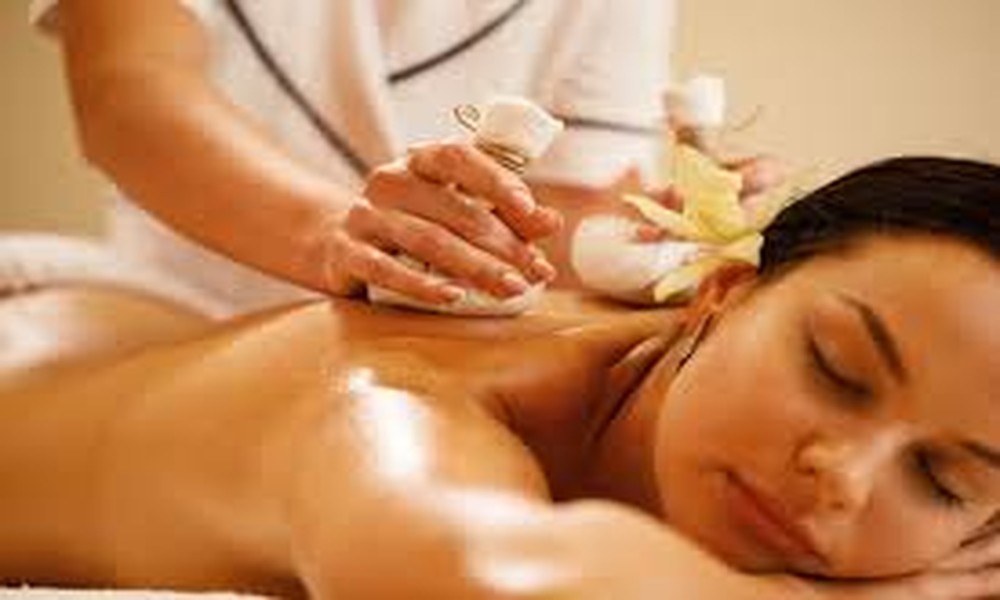
When people search for the best lymphatic drainage massage has to offer, they often focus on the wrong things.
They compare treatment rooms. They compare pricing. They compare how many calming photos appear on a website. Some even judge a clinic based on how many bamboo plants appear in the reception area.
While ambience is certainly nice, it’s not what determines whether a lymphatic drainage massage is actually effective.
A better question is this:
Does the treatment leave your body feeling different after you walk out than it did when you walked in?
That’s where the conversation becomes much more interesting.
The Best Treatments Often Feel Surprisingly Subtle
Most people associate effective bodywork with intensity.
If a massage therapist isn’t applying enough pressure to make you briefly question your life choices, it somehow feels less legitimate.
Lymphatic drainage massage challenges that assumption completely.
The lymphatic system sits close to the surface of the skin, which means aggressive pressure is often unnecessary. In fact, the most effective treatments typically rely on gentle, rhythmic techniques that encourage natural fluid movement rather than forcing the body into submission.
For first-time clients, this can feel almost suspiciously relaxing.
Until they stand up afterward and realize the heaviness they’ve been carrying around feels noticeably reduced.
Why People Rarely Book Their First Session for Wellness Reasons
Interestingly, most people don’t wake up one morning fascinated by the lymphatic system.
They book because something feels off.
Perhaps it’s persistent puffiness despite healthy habits. Maybe recovery after travel seems slower than it used to be. Some notice swelling, bloating, or a general feeling of physical sluggishness that refuses to disappear no matter how much water they drink.
The common thread is rarely a specific diagnosis.
It’s the sense that the body isn’t functioning as smoothly as it should.
That’s why many clients start researching the Best lymphatic drainage massage Sydney clinics not because they’re chasing luxury, but because they’re looking for practical relief.
The Experience Is Different From Traditional Massage
Imagine the difference between deep-cleaning a house and reorganizing it.
Deep tissue massage often focuses on releasing muscle tension through pressure and manipulation. Lymphatic drainage focuses on encouraging movement and flow throughout the body’s natural drainage pathways.
The result is a treatment that feels less like muscular work and more like systemic support.
Clients often report benefits such as:
- Reduced fluid retention
- Less puffiness around the face and body
- Improved recovery after periods of stress
- A lighter, more comfortable feeling overall
- Better relaxation and sleep quality
What’s remarkable is that many of these improvements occur without the treatment ever feeling physically demanding.
Why More People Are Choosing Recovery Over Intensity
There has been a noticeable shift in wellness over the past few years.
People are becoming less interested in treatments that leave them exhausted and more interested in therapies that help them recover.
That distinction matters.
Recovery-focused wellness acknowledges that many people are already operating under significant physical and mental stress. The goal is not to push harder. It’s to restore balance more effectively.
Lymphatic drainage massage fits perfectly into that philosophy.
The Real Test of a Great Treatment
The best wellness therapies aren’t necessarily the most dramatic.
They’re the ones you notice later.
When your clothes feel more comfortable. When your face looks less tired. When your body feels lighter after a long day instead of heavier.
That’s why lymphatic drainage massage continues gaining popularity.
Not because it’s trendy.
Because feeling better never really goes out of style.
